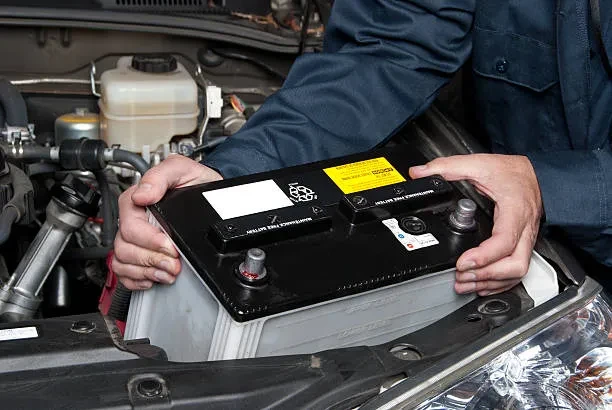
Complete Guide to Car Battery Maintenance and Replacement
A car battery is one of the most important parts of any vehicle. It supplies the electrical power needed to start the engine and operate systems like headlights, air conditioning, infotainment, and power windows. Without a healthy battery, your car may fail to start or experience electrical problems. Understanding how to maintain a car battery can help you avoid sudden breakdowns and expensive repairs.
How to Maintain a Car Battery
Proper car battery maintenance increases battery life and improves vehicle performance. Regular maintenance also reduces the risk of battery failure during hot summers or cold winters. Here are some important car battery maintenance tips:
- Inspect the battery regularly for dirt, leaks, or corrosion
- Keep battery terminals clean and tight
- Avoid leaving headlights or electronics on when the engine is off
- Drive your vehicle regularly to keep the battery charged
- Check battery voltage with a multimeter
- Protect the battery from extreme temperatures
- Ensure the alternator is charging properly
Routine maintenance can significantly improve battery efficiency and reliability.
Signs of a Bad Car Battery
Recognizing the early signs of a bad car battery can prevent unexpected problems on the road. A weak battery usually gives warning signals before completely failing. Common symptoms include:
Slow Engine Start
If your engine cranks slowly when starting, the battery may be weak.
Dim Headlights
Low battery power can cause headlights and interior lights to appear dim.
Clicking Sound
A clicking noise when turning the ignition key often indicates battery trouble.
Battery Warning Light
If the battery warning light appears on the dashboard, there may be a charging system issue.
Electrical Problems
Power windows, infotainment systems, and air conditioning may not work properly with a weak battery.
How Long Does a Car Battery Last?
Most car batteries last between 3 to 5 years depending on driving habits, weather conditions, and maintenance quality. Several factors affect battery lifespan:
- Frequent short trips
- Extreme heat or cold weather
- Poor maintenance
- Excessive use of electronics
- Faulty alternator
In countries with high temperatures, such as the UAE, car batteries may wear out faster due to heat exposure.
When to Replace a Car Battery
Knowing when to replace a car battery helps avoid sudden vehicle breakdowns. If your battery is older than three years, regular testing is recommended.
You should replace the battery if:
- The engine struggles to start
- The battery case is swollen or leaking
- You frequently need jump starts
- The battery voltage is low
- The battery fails a load test
- Corrosion continues returning after cleaning
Replacing the battery at the right time improves vehicle reliability and safety.
Car Battery Maintenance Tips
Simple maintenance practices can extend battery life and reduce repair costs.
Keep the Battery Clean
Dirt and moisture can reduce battery performance over time.
Secure the Battery Properly
Loose batteries may vibrate and damage internal components.
Avoid Deep Discharge
Do not leave electrical accessories running when the engine is off.
Test the Battery Regularly
Regular battery testing helps identify problems early.
Drive Frequently
Long periods without driving can drain the battery.
Following these car battery maintenance tips can save money and improve overall vehicle performance.
Causes of Battery Failure
Car battery failure can happen for many reasons. Understanding the causes helps prevent future problems.
Extreme Temperatures
Hot weather accelerates battery fluid evaporation, while cold weather reduces starting power.
Corroded Battery Terminals
Corrosion blocks proper electrical flow between the battery and vehicle.
Faulty Charging System
A damaged alternator may overcharge or undercharge the battery.
Parasitic Drain
Leaving lights, chargers, or electronics on can slowly drain the battery.
Old Age
All batteries eventually lose their ability to hold a charge.
Regular inspections help detect these issues before complete battery failure occurs.
How to Check Car Battery Health?
Checking battery health is important for preventive car maintenance.
Use a Multimeter
A healthy battery should read around 12.6 volts when the engine is off.
Inspect Battery Terminals
Look for corrosion, loose connections, or damaged cables.
Perform a Load Test
A professional battery load test measures battery performance under stress.
Observe Vehicle Performance
Slow starting and weak electronics may indicate battery weakness. Professional battery testing provides the most accurate results.
Best Car Battery Brands
Choosing a quality battery improves durability and performance. Some of the best car battery brands include:
- Exide
- Amaron
- Bosch
- Optima Batteries
- ACDelco
- DieHard
The best battery depends on your vehicle type, driving conditions, and budget.
How to Clean Battery Terminals
Cleaning battery terminals improves electrical connection and battery performance.
Follow these steps:
- Turn off the engine
- Disconnect the negative terminal first
- Remove the positive terminal
- Clean corrosion using baking soda and water
- Scrub gently with a wire brush
- Dry the terminals completely
- Reconnect the positive terminal first
Regular cleaning prevents corrosion buildup and improves charging efficiency.
Car Battery Replacement Cost
Car battery replacement cost depends on battery type, vehicle model, and location.
Typical costs include:
- Standard battery: Affordable option for regular vehicles
- AGM battery: Higher cost with better performance
- Premium batteries: Longer lifespan and advanced technology
Additional costs may include installation charges, roadside assistance, and battery testing services. Investing in a quality battery can reduce future maintenance expenses and improve vehicle reliability.
Final Thoughts
A healthy car battery is essential for smooth and reliable driving. Regular maintenance, timely inspections, and proper replacement can extend battery life and reduce unexpected breakdowns. By understanding the signs of battery problems and following preventive maintenance practices, drivers can improve vehicle safety and performance for years to come.