Common Used-Car Buying Scams and How to Avoid Them!
Buying a Used Car? Identify Potential Hazards First!
While it is possible to save thousands by buying a used car, there are risks involved. There are many honest sellers in the marketplace, but some are shady and try to conceal any information regarding the condition of a vehicle, its past, or its ownership.
By getting to know the most frequent scams, you can be better equipped to make decisions and avoid costly errors. This guide covers the most common used car auto sales rip-offs and how to avoid them.
Why Are Used Car Scams Common?
Private sales in the used car market are common, with millions of transactions taking place annually. It is hard to confirm every aspect. One of the reasons that many people fall for a scam is that they don't take the time to ensure that the documents are in order and that they have thoroughly investigated the vehicle.
Most scams can be avoided by careful inspection and proper paperwork verification.
Most Common Used-Car Buying Scams

Odometer Rollback
Some people sell vehicles with a lower mileage than the one indicated on the dashboard.
How to avoid it:
-
Compare the mileage with the service records.
-
Check inspection reports.
-
Check for signs of excessive wear inside that is inconsistent with the mileage shown.
Damage Hidden by Cosmetic Repairs
After repainting or replacing body panels, a vehicle involved in a major accident may look just fine!
Before purchasing, inspect for uneven paint, welding marks, panel gaps, structural repairs or damage.
Flood-Damaged Cars
Electrical failures, corrosion, and costly repairs months later are all possible causes of floods.
Check for moisture under carpets, rust on odd surfaces, mold odor, or new carpets, moldboard or new walls.
Fake Service History
Some sellers will make up maintenance records to give buyers the illusion of confidence.
When possible, check service invoices with the workshop/dealership.
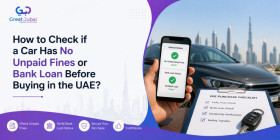
Outstanding Loan or Finance Scam
Even though the person selling it states that it has been sold, it can still be legal property of a bank. It can still be a lawful possession of a bank even if the seller claims it is not.
Before you pay, always check that there is no outstanding loan on the car before you buy it.
1: Common Used-Car Scams at a Glance
|
Scam |
Warning Sign |
Possible Risk |
|
Odometer rollback |
Extremely low mileage |
Overpaying for an older vehicle |
|
Hidden accident history |
Fresh paint, uneven body panels |
Safety concerns and reduced value |
|
Flood damage |
Rust, mold smell, damp carpets |
Electrical failures |
|
Fake service records |
Missing original invoices |
Unknown maintenance history |
|
Outstanding finance |
Seller avoids documentation |
Ownership disputes |
|
VIN tampering |
Different VINs |
Possible stolen vehicle |
VIN Tampering
All cars have a Vehicle Identification Number (VIN). Sometimes, thieves may tamper with or even swap it out in order to hide a stolen vehicle's identity.
Make sure that the VIN number on the driver's door sticker, VIN on the dashboard, and the registration number are all the same.
Deposit Scam
A seller requires a deposit to “reserve” the vehicle before giving a person the opportunity to inspect the vehicle.
Never send money before viewing and verifying car ownership.
Title Washing
A few cars are issued a clean certificate of title after they were previously declared as a salvage or severely damaged vehicle.
Do an online search of vehicle history before buying.
Fake Online Listings
Scammers offer low-priced vehicles with a high selling price to get people to purchase their cars.
If it seems too good to be true, investigate carefully.
Signs to Watch For That You Should Never Ignore
- It offers a much lower price than comparable cars.
- Seller does not agree to an independent inspection.
- Documents appear to be incomplete related to ownership.
- Seller pressures you to make immediate payment.
- There is no Vehicle History Record available.
2: Safe Buying Checklist
|
Before You Buy |
Why It Matters |
|
Verify ownership documents |
Confirms legal ownership |
|
Check VIN everywhere |
Detects identity fraud |
|
Review service history |
Verifies maintenance records |
|
Inspect the car professionally |
Identifies hidden defects |
|
Confirm no outstanding finance |
Prevents legal issues |
|
Test drive the vehicle |
Evaluates mechanical condition |
|
Compare market prices |
Avoids overpaying |
|
Complete payment after verification |
Reduces fraud risk |
Expert Tips on Buying a Safe Used Car
-
A professional inspection can be much more cost-effective than fixing the problem down the road.
-
Take advertising prices into account, but consider the fair market value of the vehicle by comparing similar cars.
-
Safety is an important factor in meeting with the seller, as they should meet in a safe public place, and take time to read all the documents.
-
Real estate sellers typically give reasonable time for inspections and verification.
One of the best marketplaces where you can buy a trustworthy Used-Car is Great Dubai.