Used Car Inspection Checklist Before Buying!
zWhen making a used car purchase, it isn't just about the look and cost. The car could be flawless on the outside but have engine, transmission, accident, maintenance, and other problems on the inside that you are unaware of.
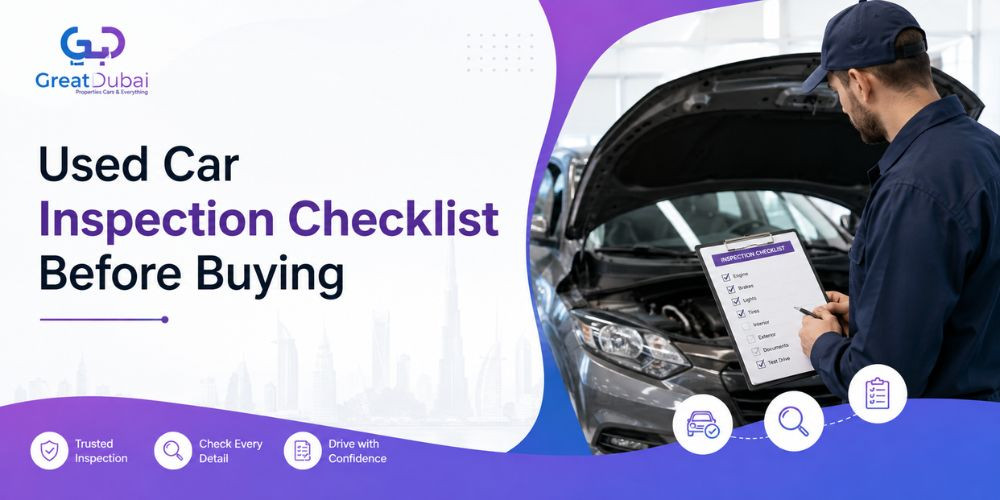
An inspection before purchase enables you to find out what the true condition of the vehicle is and avoids any unexpected repair costs. This checklist will assist you in examining a vehicle whether you're looking at one from a dealership or a private individual.
Why Check a Used Car Prior to Purchase?
The used car that has been driven by another person and the condition of the car rely on the owner’s care for it. There are some issues you might not notice at first glance, but that can be costly once purchased.
A detailed inspection enables the buyer to make sure that the vehicle is in good condition. Evaluate the asking price against the actual value of the vehicle, and avoid buying vehicles that have significant mechanical car issues.
Quick Used Car Inspection Checklist
|
Area |
Things to Check |
|
Exterior |
Paint, dents, rust, accident signs |
|
Engine |
Oil leaks, unusual sounds, smoke |
|
Interior |
Electronics, AC, dashboard warnings |
|
Tires & Brakes |
Tire condition, brake performance |
|
Documents |
Registration, service records, ownership |
|
Test Drive |
Steering, acceleration, suspension |
Take a close look at the Exterior Condition Carefully
The initial assessment is of the body. The term clean exterior doesn't always imply accident-free! Inspect the vehicle in natural light for paint differences and any paint repair marks.
Examine the alignment of doors, bonnet and trunk. Any inconsistencies in the gap between panels could suggest that this vehicle has been in an accident. Check for rust, scratches, dents and repainting.
The vehicle likely needs closer examination before it's bought if it has several repaired panels.
Check the Engine and Mechanical Condition

The engine of a vehicle is the most critical part and is one of the most costly parts to fix. Always start the car when the engine is cold and listen for unusual noises.
Watch for vibration in the engine, smoke emerging from the tailpipe, oil leakage, and dashboard warning lights. When the car starts up smoothly and maintains a steady idle, it is a good sign that the engine is well taken care of.
|
Engine Check |
What It Indicates |
|
Oil leakage |
Possible engine damage or poor maintenance |
|
Strange noises |
Internal mechanical issues |
|
Blue or black smoke |
Engine or fuel problems |
|
Warning lights |
Electrical or mechanical faults |
Check All Fluids
Car fluids tell you the condition of maintenance. Poor fluid condition or inadequate fluids can be a sign of neglect by the previous owner.
Check engine oil, coolant, brake fluid, transmission and power steering fluid. The leaking of fluids from tanks or beneath the vehicle should not be ignored.
Check the Interior Features and Condition
The interior condition can be an indicator of usage. Test all the features before final decision.
Check the air conditioner, power windows, infotainment, lights, sensors, and dashboard controls. Take a look at warning lights on the dashboard; they may be costly.
Also check the interior wear against the car's mileage. Seats, pedals, or steering wheels that are worn excessively may be due to incorrect mileage.
Check Mileage and Service History
Mileage is definitely important when purchasing used cars but should always be consistent with the condition of the car.
A low-mileage vehicle should come with service records. Review maintenance records, previous fixes, and inspection reports to verify the seller's statements.
Service records can also tell you if any major services, like oil changes, have been performed on schedule.
Check Tires, Suspension and Brakes
Tires and suspension parts have an impact on safety and driving comfort. Inspect tire tread, cracks, wear, and tread date.
If you have uneven tire wear, it can be a sign of suspension or alignment issues. When being driven on the test, listen for abnormal suspension noises as the vehicle makes bumps.
The braking system should also be checked. Listen for vibration, a soft brake pedal, or brake noise.
Have a Full Test Drive
A test drive is one of the key steps in the process of inspecting used cars. Test the vehicle on various roads to gain a real-world understanding of its performance.
On the drive, test the gear changing, steering, braking, and comfort. If you have any unusual vibration or noise, or a delay, they should be checked before you buy.
Review Accident History and Past Repairs
The history of an accident may be a significant factor in the safety and also in the resale value of a vehicle. Some repairs may appear to be professional, but that may impact the car's structure.
Check for various paint tones, painted repair areas, panels, or any airbag warning lights. Check the vehicle's accident record by reviewing the vehicle's records.
Verify Vehicle Documents
Ensure all documents are on hand and match vehicle specifications before completing the purchase.
Important documents include:
-
Vehicle registration
-
Ownership records
-
Service history
-
Insurance documents
-
Inspection reports
The chassis number and registration should match the paper to prevent any future legal troubles.
Professional Inspection Before Purchase
Especially for expensive vehicles, a professional mechanic inspection is recommended. A mechanic will be able to spot problems that an average buyer may not.
Typical areas of a professional inspection include engine condition, transmission, suspension, electrical systems, and accident repairs.
Common Mistakes Buyers Make
Many consumers only consider the price and looks of their used car. This can result in costly issues down the road.
Avoid these mistakes:
-
No test drive
-
Ignoring service history
-
Skipping professional inspection
-
Mistrust of mileage claims (and no verification)
-
Tackling the payment before seeing the documents
Cost and Benefits of a Used Car Inspection
|
Inspection Type |
Average Cost in UAE |
Purpose |
|
Basic Visual Inspection |
Free – AED 100 |
Checks visible exterior and interior issues |
|
Mechanic Inspection |
AED 150 – AED 400 |
Checks engine, transmission, brakes, and suspension |
|
Computer Diagnostic Scan |
AED 100 – AED 250 |
Detects electronic and sensor-related problems |
|
Complete Vehicle Inspection |
AED 300 – AED 700 |
Full mechanical, electrical, and safety assessment |
Conclusion
A used car inspection checklist can help consumers make wise choices and stay clear of unanticipated repair expenses. An inspection of the engine, exterior, interior, tires, paperwork and driving abilities provides an overall picture of the condition of the vehicle.
Do not rush into a used car deal. The detailed examination and professional opinion can save you from costly repairs and can guarantee that you receive a reliable vehicle at a reasonable price.